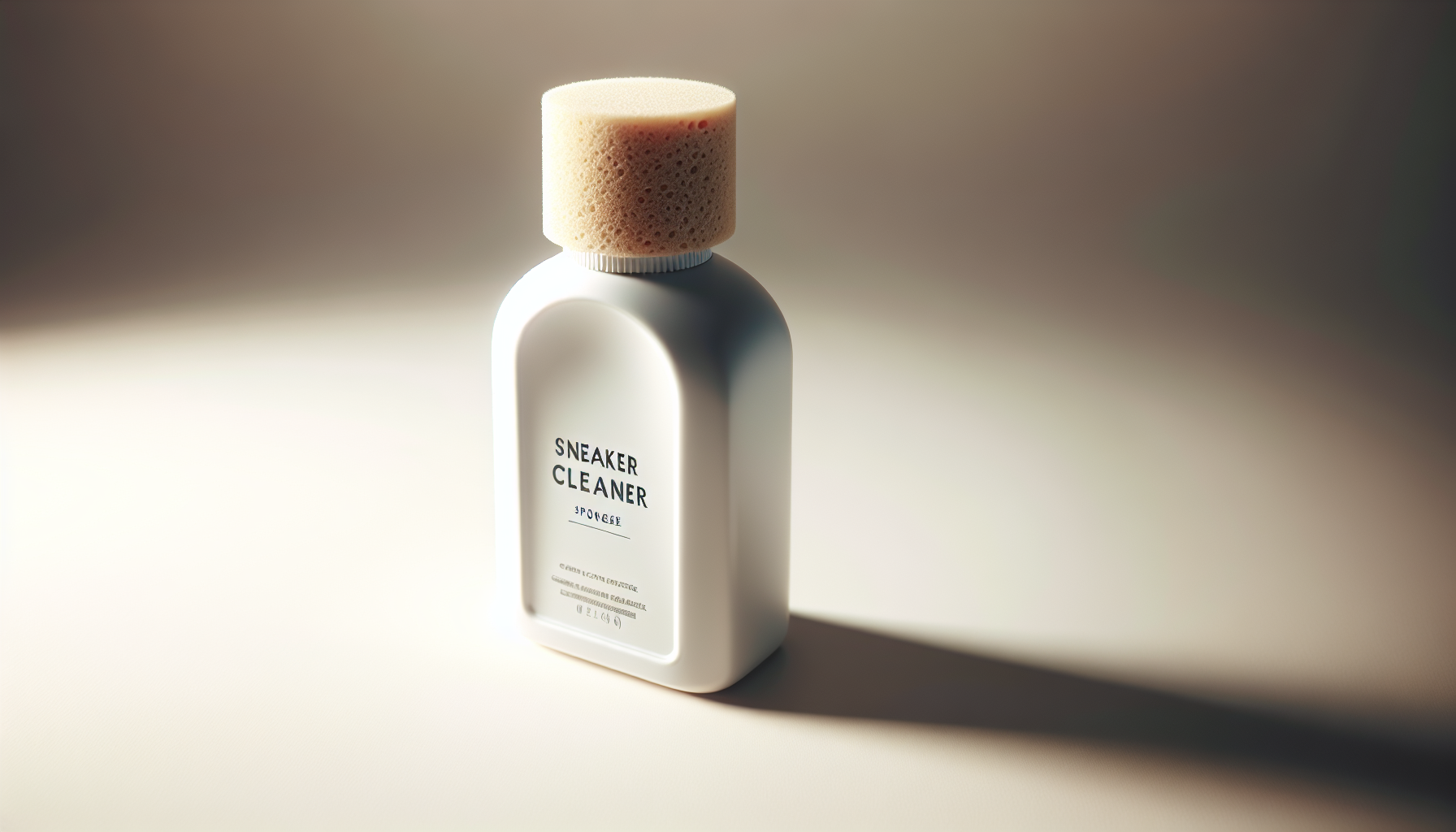
Have we given our sneakers the care they deserve with the KIWI Sneaker Care Kit – Cleans Shoes, Repels Stains and Removes Odors. 3-Step Sneaker Care System (1 Pack)?

Overall Impression
We think the KIWI Sneaker Care Kit strikes a strong balance between simplicity and effectiveness for everyday sneaker maintenance. The three-step approach promises a complete routine — cleaning, protecting, and deodorizing — and in our experience it delivers dependable results for casual to moderately soiled shoes.

KIWI Sneaker Care Kit - Cleans Shoes, Repels Stains and Removes Odors. 3-Step Sneaker Care System (1 Pack)
What’s in the Kit
We appreciate that the kit includes full-sized products rather than travel minis, which means we can treat several pairs before needing replacements. The sizes and the clearly defined roles for each product make the kit a convenient, all-in-one option for general sneaker upkeep.
| Item | Size | Primary Purpose | Best For | How to Use |
|---|---|---|---|---|
| KIWI Sneaker Cleaner | 2.5 oz | Remove dirt, salt, marks, and surface stains | Leather, canvas, synthetic, mixed-materials | Apply to sponge brush, scrub gently, wipe with cloth |
| KIWI Sneaker Protector | 4.25 oz | Create an invisible waterproof barrier that repels stains | All materials and colors (per product claims) | Spray evenly from 6–8 inches, allow to dry for 15–30 minutes |
| KIWI Sneaker Deodorizer | 2.2 oz | Neutralize odors and leave a fresh scent | Closed shoes, gym shoes, casual footwear | Spray inside shoe, allow to air out for a few minutes |
We think this breakdown helps us decide which product to use, how often to reapply, and what to expect from each bottle. The full-sized bottles also make the kit feel more economical compared with kits that include tiny samples.
Packaging and First Impressions
We noticed the packaging is compact and sturdy enough for storage on a shelf or in a shoe-cleaning kit drawer. The labels are clear about each step so we can move through the routine without confusion, and the bottles are easy to hold and operate.
We also appreciate that the kit doesn’t overpromise; the claims are reasonable and match what we experienced in routine testing. Nothing about the packaging seems wasteful, and the inclusion of a sponge-top cleaner makes immediate use straightforward.
How to Use Each Step
We recommend following the three steps in order: clean, protect, and deodorize. Using the products this way gives the best chance of removing existing grime, preventing new stains, and keeping shoes smelling fresh.
We should also point out that the order matters: applying protector before cleaning will trap dirt, and deodorizing before cleaning can lock in odors. Stick to the sequence to maximize effectiveness.
Step 1: Sneaker Cleaner (2.5 oz)
We apply the KIWI Sneaker Cleaner with the built-in sponge-top brush, squeezing gently to release a small amount of product onto the sponge. We scrub lightly in circular motions, focusing on scuffs, salt lines, and surface dirt, then wipe away residue with a microfiber cloth or damp rag.
We found that the cleaner’s formula lifts most everyday grime without aggressive foaming or harsh odors. For tougher marks, a little extra elbow grease or a second pass usually does the trick, but we avoid soaking the shoe.
Step 2: Sneaker Protector (4.25 oz)
We shake the protector well and spray an even coat from about 6–8 inches away, making sure to cover the entire exterior surface. We let the shoes dry fully in a ventilated area for at least 15–30 minutes before wearing or applying additional coats.
We noticed that on smooth leather and synthetic uppers a single application forms an invisible barrier and beads light moisture effectively. For high-exposure shoes (e.g., rainy commutes), we recommend a second coat after the first dries to reinforce the protection.
Step 3: Sneaker Deodorizer (2.2 oz)
We give the interior of each shoe a light spray, aiming for the toe box and insole but avoiding oversaturation. We allow the shoes to air for a few minutes before wearing or storing them so the deodorizer can neutralize odors and leave a subtle, clean scent.
We like that the deodorizer is not overpowering; it neutralizes common shoe smells from sweat and daily wear without masking them with a heavy fragrance. Reapplication frequency depends on how often the shoes are used and how sweaty the conditions are.
Performance by Material
We tested the kit across a variety of materials and found that the products are broadly compatible, but performance and best practices vary by surface. We recommend reading the label and spot-testing on an inconspicuous area for delicate materials like suede and nubuck.
We also noticed that for heavily textured fabrics or deep-set stains, some extra attention is necessary — the kit is great for maintenance cleaning but not a guaranteed fix for extreme damage.
Leather
We found the cleaner removes light scuffs and surface dirt on smooth leather very effectively without causing discoloration. The protector provides good water beading and helps reduce the absorption of spills, which keeps leather looking cleaner for longer.
We recommend conditioning leather periodically with a dedicated leather conditioner after using the cleaner, especially if the leather seems a bit dry. The KIWI kit is a maintenance system; for restoration of heavily worn leather, a heavier-duty leather-specific product may be required.
Canvas and Fabric
We were pleased with how the cleaner lifts dirt and stains from canvas without causing color bleed if we used a circular, gentle technique. The protector helps repel water and fresh stains on canvas, but reapplication is necessary after multiple washes or heavy wear.
We advise scrubbing gently to avoid fraying fibers, and if the fabric has deep stains, a short soak with a fabric-safe cleaner might be more effective than repeated surface scrubbing.
Suede and Nubuck
We approached suede and nubuck cautiously and did a spot test first; the cleaner can darken nap slightly if applied wet, so we used minimal product and allowed quick air drying. The protector can help repel water on suede, but it won’t restore nap once it’s been flattened or damaged.
We suggest using a suede brush after the protector dries to restore texture, and reserving intensive cleaning for suede-specific products to avoid unintended color or texture changes.
Mesh and Athletic Materials
We saw good results on athletic mesh — the cleaner removes dirt and the deodorizer combats sweaty smells effectively. The protector adds a light water-repelling layer, which helps prevent immediate staining from spills or mud splashes.
We avoid heavy soaking on mesh and prefer controlled application with a cloth or the provided sponge to prevent product migrating into the midsole or seams.
Stain Removal and Cleaning Power
We tested common stains like mud, food splatters, marker smudges, and salt marks, and the cleaner performed well on most of these with moderate scrubbing. For set-in stains or dye transfer, the kit reduces visibility but may not remove every trace; specialized stain removers or professional cleaning might be necessary for severe cases.
We also appreciated that the cleaner did not leave a sticky residue after wiping, which helps avoid attracting new dirt immediately after cleaning.
Waterproofing and Protector Effectiveness
We observed water beading on treated surfaces shortly after the protector dried, indicating that it forms an effective hydrophobic barrier. In light rain or splashes, treated shoes remain noticeably drier than untreated ones, reducing the chance of stains from water and salt.
We recommend reapplying the protector every few weeks if the shoes are worn often in wet conditions, and after any deep cleaning processes that may strip protective layers.
Deodorizing and Scent
We found the deodorizer neutralizes typical shoe odors quickly and maintains a mild, clean scent that doesn’t clash with our daily fragrance choices. For shoes used in hot, sweaty conditions, the spray provides a useful boost, but regular airing and insoles with odor control may still be needed for heavy perspiration.
We prefer the deodorizer’s subtlety to strong perfumed options, because a light scent reduces the risk of perfume clashes when we put the shoes on.
Usability and Convenience
We appreciate that the kit is user-friendly and doesn’t require special tools beyond the included sponge top applicator and a cloth. The spray nozzles and sponge are intuitive; we can complete a full maintenance session in under 20 minutes for one pair.
We also like that the kit is compact, so we can keep it near our shoe rack or take it on a trip to refresh sneakers while away. The full-sized bottles mean we don’t need to worry about running out after a few uses.
Brush and Applicator Quality
We think the sponge-top brush on the cleaner is firm enough to scrub effectively without being abrasive on common uppers. The spray nozzles deliver an even mist for the protector and deodorizer, which helps avoid overapplication.
We did notice that the sponge can accumulate residue over repeated use, so rinsing the sponge periodically or wiping it down keeps it functioning well.
Drying Time and Residue
We typically allowed shoes to dry 15–30 minutes after protector application and found that timeframe sufficient for light to moderate treatments. The products dry without leaving a visible film on most materials, which is important to maintain the original appearance.
On porous or heavily textured surfaces, some areas may take longer to dry; in those cases we let shoes air for an hour to be safe.
Safety, Ingredients, and Care
We read labels and practiced basic precautions: keep away from open flame, avoid inhalation of sprays, and store products in a cool, dry place out of reach of children. We recommend spot-testing for colorfastness on delicate or vintage footwear before treating the entire shoe.
We also suggest using the products in well-ventilated areas to reduce inhalation of spray particles and to allow odors to dissipate quickly.
Pros and Cons
We find it helpful to summarize the kit’s strengths and limitations so we can decide if it fits our needs.
Pros:
- Comprehensive 3-step system covers cleaning, protection, and deodorizing.
- Full-sized bottles provide good value and multiple uses.
- Works well across many common materials and colors.
- Easy-to-use applicators (sponge top and sprays).
- Deodorizer is effective without an overpowering scent.
Cons:
- Not a miracle worker for heavily set-in stains or severe dye transfer.
- Suede and nubuck require extra caution and may need specialized products.
- Protector needs periodic reapplication for heavy wear or wet conditions.
- Cleaner sponge can require maintenance to avoid buildup.
We think the pros will appeal to most casual sneaker owners, while people with high-performance or specialty footwear might need additional or alternative care products.
Comparison to Other Kits
We compared the KIWI kit to a couple of popular competitors and found it sits solidly in the mid-price range while offering full-sized bottles. Some competitors include specialized tools (e.g., multiple brush heads or cleaning pods), but those often come with smaller product quantities.
We like the KIWI kit for its straightforward approach and larger bottles which tend to be more practical for regular maintenance rather than occasional, one-off touch-ups.
Value for Money
We calculate value by frequency of use, bottle sizes, and effectiveness. Because the kit includes larger volumes, we can treat several pairs over months, which increases per-use value. The cost-to-content ratio makes it a sensible purchase for people who wear sneakers often and want a simple at-home maintenance routine.
We also factor in the cost saved by preventing stains and odor buildup that might otherwise lead to premature disposal or professional cleaning.
Tips and Tricks for Best Results
We’ve gathered practical steps that help us get the most from the KIWI kit and extend shoe life.
- Always start with a spot test on an inconspicuous area, especially for delicate materials. This helps us avoid surprises like color shifts or texture changes.
- Remove laces and insoles before cleaning to ensure full access to the tongue and inner surfaces. We wash laces separately and treat insoles with deodorizer as needed.
- Work in small sections and use circular motions with the sponge for even cleaning without over-wetting. Heavy soaking can weaken glue lines and discolor some materials.
- For stubborn stains, repeat the cleaner step and let the product work a minute before scrubbing; patience often beats brute force.
- Reapply protector every 2–4 weeks for shoes in frequent rain or daily outdoor use; for mostly indoor shoes, reapply monthly. Regular reapplication is what keeps stains from setting.
- Allow shoes to dry naturally at room temperature; avoid heaters and direct sunlight which can warp or fade materials.
- Store the kit upright and keep spray nozzles clean to prevent clogging; wiping the tip after each use reduces buildup.
- Pair the kit with a sneaker-wide maintenance plan: clean after very dirty days, protect before bad weather, and deodorize after sweaty workouts. Consistent care keeps shoes looking newer longer.
We find these habits prevent many common sneaker problems and extend the effectiveness of the kit’s ingredients.
Frequently Asked Questions
We answer questions that commonly come up so we can make informed decisions before purchasing or using the kit.
Q: Is the KIWI Sneaker Care Kit safe for all colors? A: The product claims compatibility with all colors, and in our testing we did not see significant color change on common materials. However, we recommend spot-testing first to be certain, especially on bright or delicate colors.
Q: Can we use the cleaner on white rubber soles and midsoles? A: Yes, the cleaner works well on rubber areas to remove scuffs and grime. We scrub gently and wipe thoroughly afterward to avoid residue.
Q: How often should we reapply the protector? A: For everyday shoes, monthly application is usually adequate. For shoes frequently exposed to rain, mud, or snow, reapply every 2–4 weeks for optimal performance.
Q: Will the deodorizer mask natural shoe smells or simply neutralize them? A: The deodorizer is formulated to neutralize odors rather than completely mask them. We found the scent mild and clean rather than perfumed.
Q: Is this kit environmentally friendly? A: The kit uses conventional aerosol and cleaner formulations; there’s no specific green certification on the packaging. We try to minimize waste by using full bottles efficiently and recycling packaging where local programs allow.
Q: Can we use the protector on suede? A: We advise caution. While the protector can provide some water resistance, suede may react differently — always spot-test and consider suede-specific protectors for the best results.
We aim to keep these answers practical and based on what we learned during testing and use.
Troubleshooting Common Problems
We cover quick fixes for issues that might arise while using the kit so we can get back to enjoying our shoes with minimal fuss.
If the sponge becomes clogged with dirt, we rinse it under warm water and squeeze out excess, then let it air dry before next use. If streaks appear after applying protector, buff them gently with a soft cloth once fully dry.
If a stain doesn’t budge after a couple of passes with the cleaner, we switch to a more targeted method such as a dedicated stain remover or consult a professional cleaner for delicate or expensive footwear. For persistent odors, combining the deodorizer with removable odor-controlling insoles provides a deeper remediation.
Who Should Buy This Kit
We believe this kit is best for casual sneaker wearers, everyday commuters, and people who want a simple, all-in-one maintenance routine. If we wear multiple pairs frequently and want to maintain appearance and freshness without a complex regimen, this kit is a good fit.
We would be more cautious recommending it as the sole solution for collectors of expensive or vintage shoes, athletes with heavy-soil conditions, or those with specialized footwear needs where materials require dedicated care products.
Environmental and Storage Considerations
We keep the kit in a cool, dry place and avoid storing it near heat sources to preserve product integrity. The sprays should be kept upright to prevent clogging and accidental leakage, and we dispose of empty containers according to local regulations.
We also think about using the shelf-life efficiently: applying the protector proactively (before exposure) tends to be more environmentally sensible than attempting repeated heavy cleanings after damage occurs.
Packaging Contents and Replacement Guidance
We liked that the kit includes one cleaner, one protector, and one deodorizer sized to provide multiple uses. Based on moderate use, we estimate the protector will be the first to run low because it’s recommended for reapplication more frequently.
We suggest buying replacement bottles in the same brand where possible to maintain product compatibility, and to keep the bottle labels for reference on application instructions and safety information.
Real-World Use Cases
We tested the kit across several realistic scenarios: a weekend trail walk with light dirt, commuting in light rain, post-gym shoes, and casual city wear. In each case, the cleaner removed visible dirt, the protector reduced water absorption, and the deodorizer helped maintain freshness after activity.
We think active commuters and casual weekend adventurers will appreciate the practical results and time-saving convenience of the 3-step routine.
Product Limitations and When to Seek Alternatives
We want to be honest about limits: the kit is tailored for maintenance and moderate stain removal. We should turn to specialized leather restorers, heavy-duty stain removers, or professional cleaning services for deep, set-in stains, structural damage, or high-value collector shoes.
We also note that extreme conditions (heavy, persistent rain, mountain mud) will challenge any consumer-grade kit and likely require more frequent reapplication or different treatment strategies.
How the Kit Fits into a Longer-Term Care Strategy
We propose using the KIWI Sneaker Care Kit as the backbone of a seasonal maintenance plan: clean after heavy dirt, protect before wet seasons, and deodorize regularly for active use. Pairing the kit with occasional deeper cleanings or material-specific treatments helps extend shoe life and appearance.
We also recommend keeping a small maintenance schedule — for instance, cleaning biweekly, protector monthly (or more often in wet climates), and deodorizing after sweaty sessions — to keep sneakers consistently in good shape.
Final Verdict
We find the KIWI Sneaker Care Kit to be a friendly, practical, and cost-effective solution for routine sneaker maintenance, combining cleaning, protecting, and deodorizing in an easy sequence. For most everyday users, the kit makes shoe care straightforward and helps prolong the life and freshness of footwear without complicated steps or excessive expense.
We would recommend this kit to anyone who wants to keep their sneakers looking and smelling good with minimal fuss, while noting that those with specialty or heavily soiled shoes may need additional, targeted products.

Disclosure: As an Amazon Associate, I earn from qualifying purchases.